Cold-chain sensors record the temperature and environmental conditions experienced by harvested produce during cooling, storage and transport. Air measurements describe the refrigeration environment, while product measurements describe the thermal state of the produce. Their relationship depends on airflow, packaging, loading and elapsed time.
Temperature, humidity and measurement location
Temperature is normally reported in degrees Celsius. Resistance thermometers and thermistors convert temperature-dependent electrical resistance into a measurement. The logger's specified accuracy, resolution and response time describe separate properties: a finely resolved display can still have a larger uncertainty or respond slowly to a short excursion.
Relative humidity expresses water vapour pressure as a percentage of saturation vapour pressure at the same temperature. It helps explain water loss and condensation, but its interpretation changes with temperature. High humidity can reduce desiccation while condensation on produce can encourage decay. Commodity and maturity stage determine the appropriate storage conditions. UC Davis, for example, gives different temperature recommendations for mature-green and ripe tomatoes; a single refrigeration setpoint is not appropriate for every crop.
An air logger near an evaporator may record colder conditions than produce in a densely packed pallet. A return-air sensor responds to the refrigeration system and mixed air from the load. A probe within produce or a representative thermal buffer responds more slowly and answers a different question. Sensor locations should remain identifiable in the shipment record rather than being averaged into one unexplained temperature series.
Temperature and humidity recording equipment
USB transport loggers, Bluetooth instruments and external-probe recorders serve different reporting and installation requirements. Humidity capability and environmental protection require particular attention in produce stores.
USB transport temperature logger
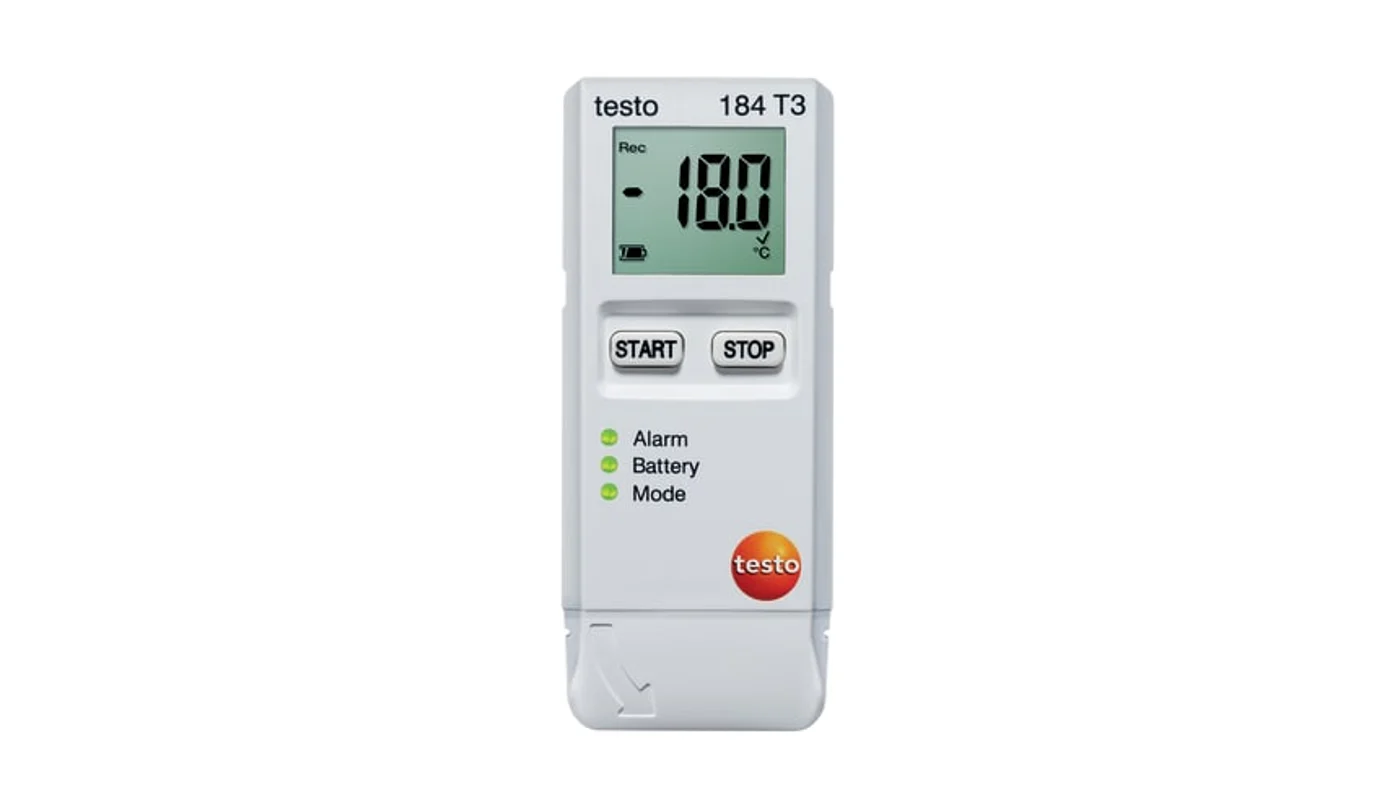
testo 184 T3
The 184 T3 stores 40,000 readings and offers a selectable logging interval from one minute to 24 hours. Testo specifies ±0.5°C accuracy, 0.1°C resolution and a replaceable battery.
Internal sensor response and placement affect short excursions; it does not measure humidity.
View product details ↗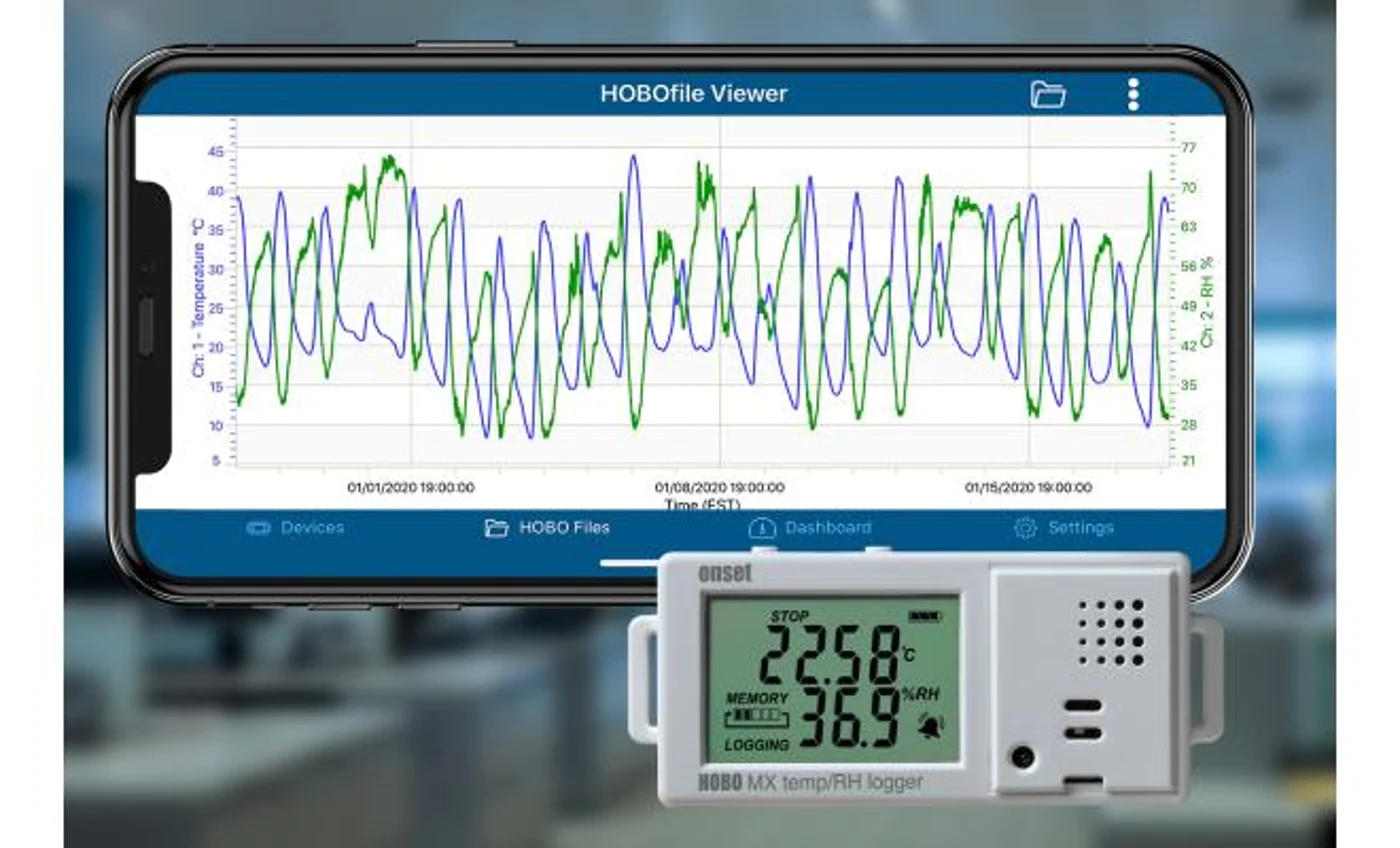
Indoor temperature and relative humidity logger
HOBO MX1101
The MX1101 supports Bluetooth configuration and data retrieval. Temperature accuracy is specified as ±0.21°C from 0 to 50°C; remote cloud transfer requires the optional gateway and appropriate service.
IP50 and the non-condensing specification require protection from wet or condensing produce-store conditions.
View product details ↗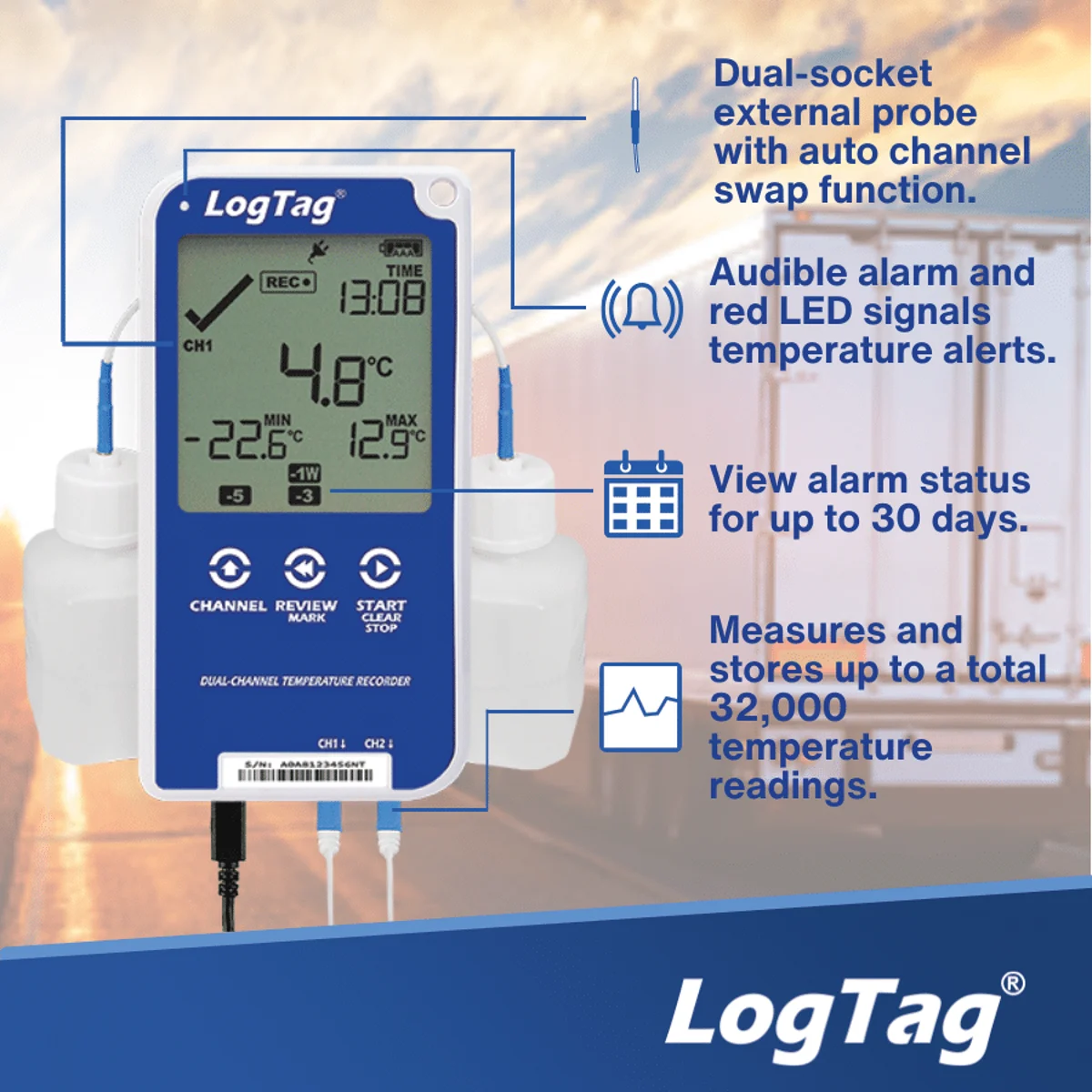
Dual-channel external-probe recorder
LogTag UTRED30-16
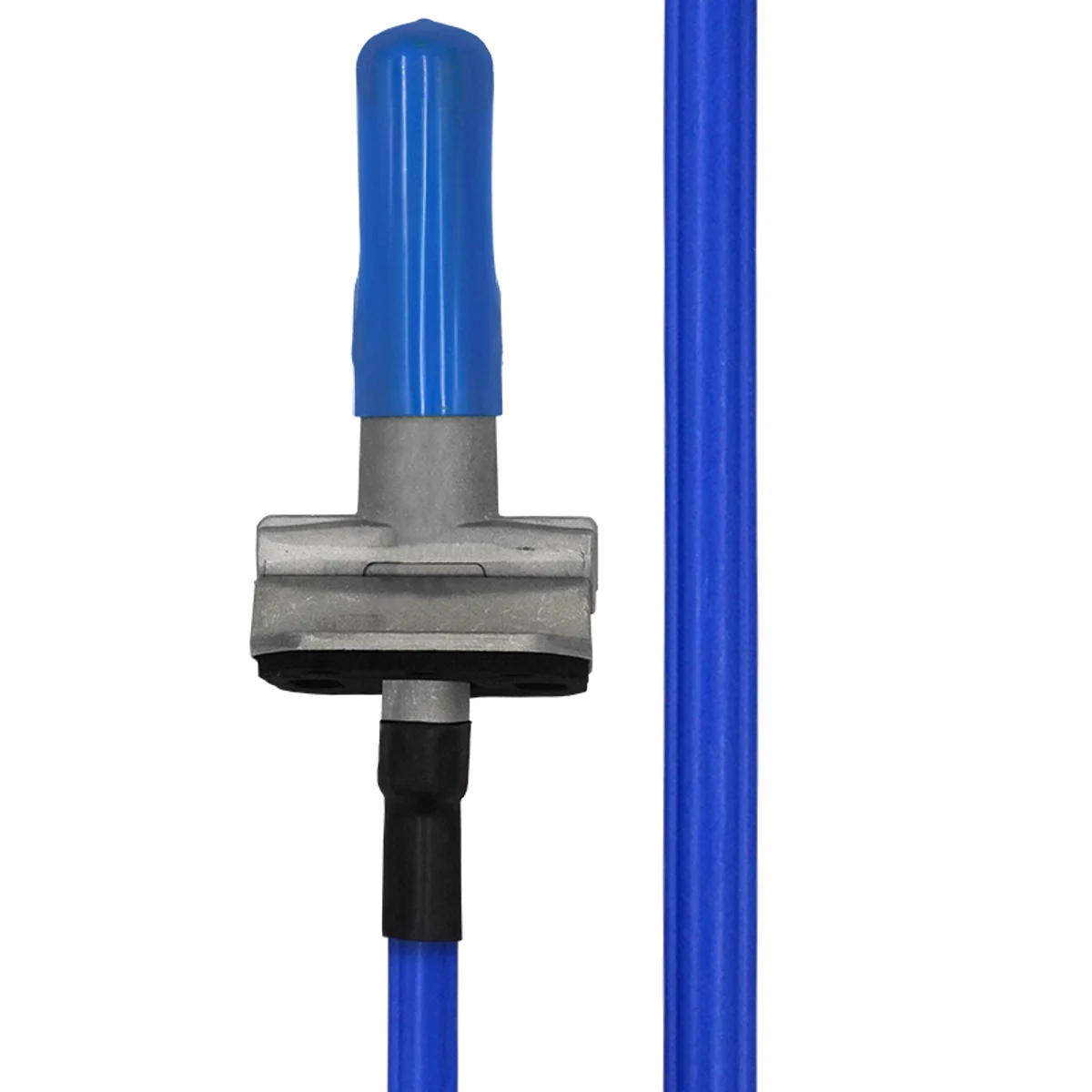
A dual-channel recorder storing up to 32,000 temperature readings in total. Its display, audible alarm and LED provide local excursion information; the standard UTRED30-16 uses USB rather than Wi-Fi.
Select the appropriate probes and mounting protection; this model is distinct from UTRED30-WiFi.
View product details ↗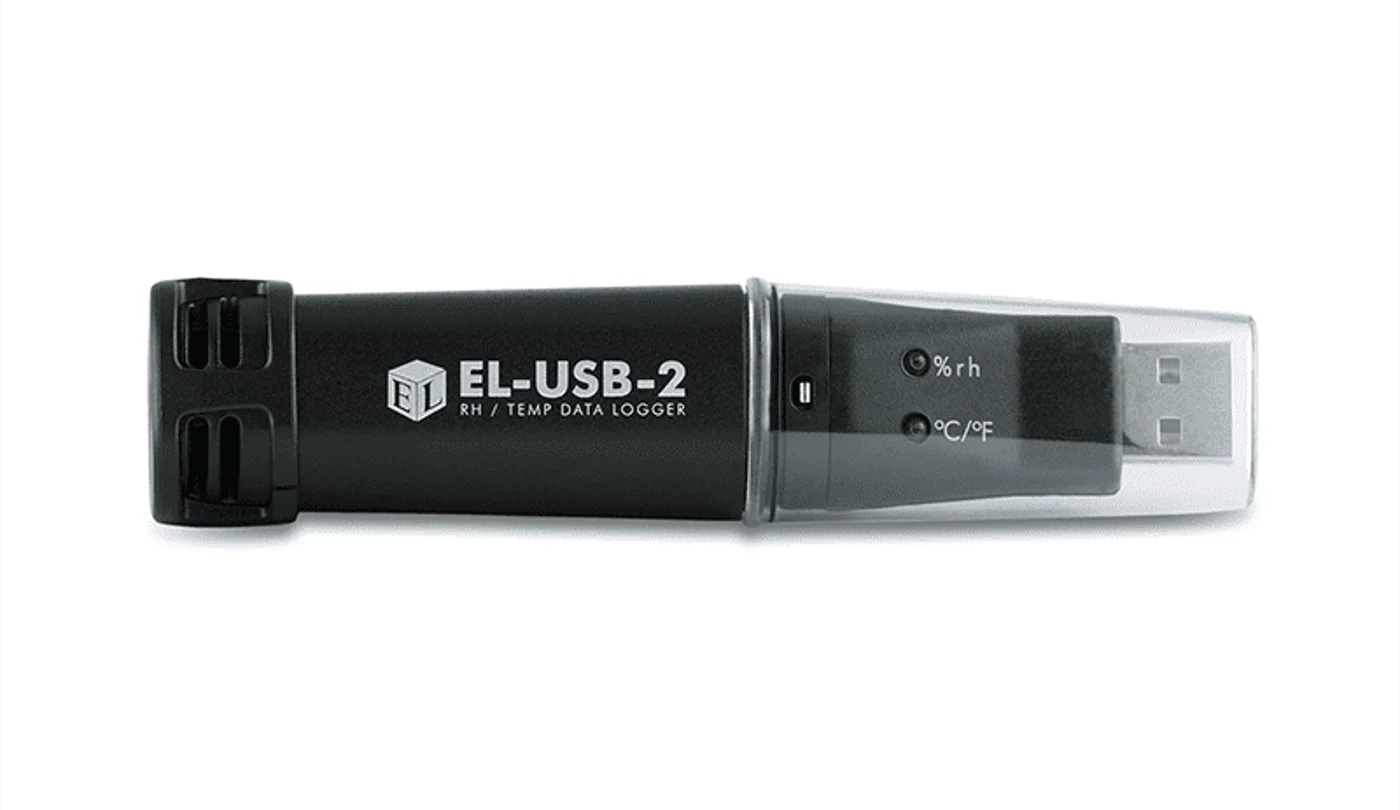
USB temperature and humidity logger
Lascar EasyLog EL-USB-2
The EL-USB-2 records temperature and humidity and provides configurable alarm thresholds. Data are downloaded, graphed and exported through EasyLog software; the cited model has no built-in internet connection.
Specify condensation exposure, enclosure suitability and calibration for the intended environment.
View product details ↗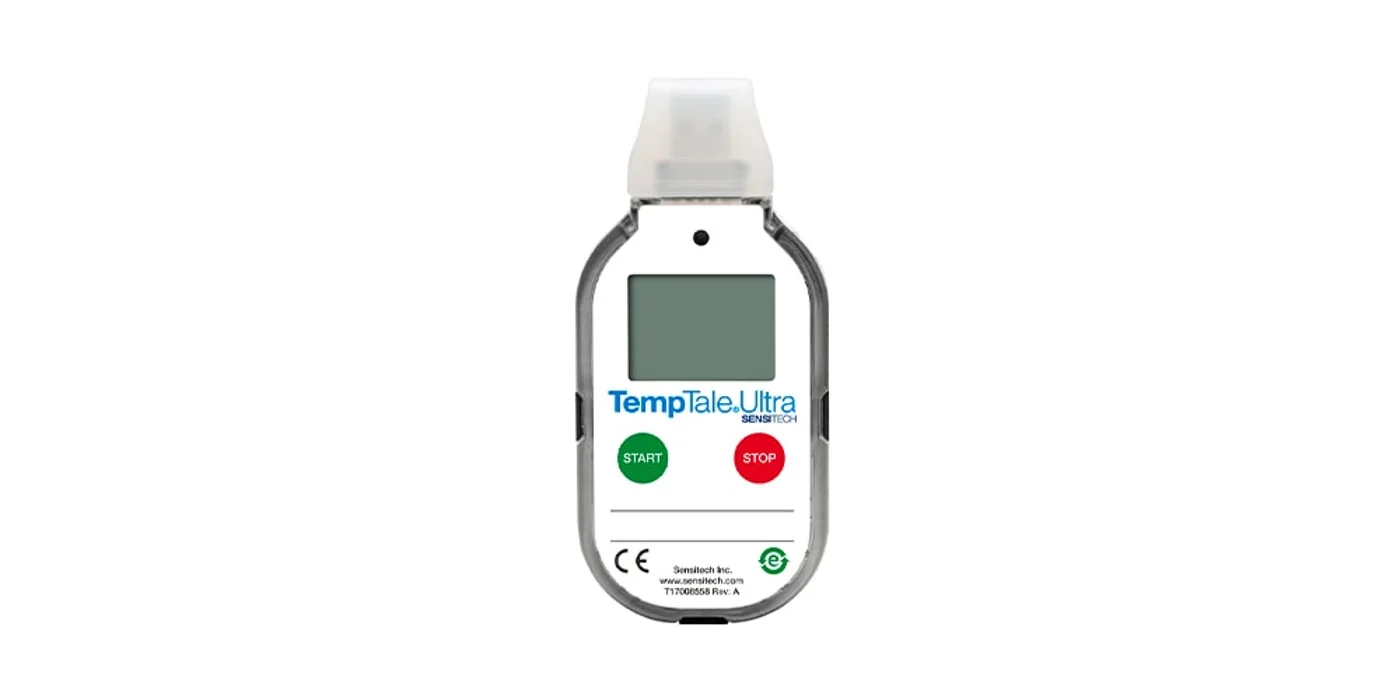
Standard Ultra temperature monitor
Sensitech TempTale Ultra
The standard TempTale Ultra supports up to six temperature alarms. The Ultra family includes distinct humidity, external-probe and Bluetooth models, so their additional measurements and interfaces should not be attributed to this standard monitor.
Specify the recording configuration and alarm limits; Ultra BLE, Humidity and Probe are separate variants.
View product details ↗| Model | Measurement / role | Data connection | Coverage / installation |
|---|---|---|---|
| testo 184 T3 | Temperature | USB PDF report; NFC with compatible optional printer | One internal NTC channel; −35 to +70°C |
| HOBO MX1101 | Temperature and relative humidity | Bluetooth HOBOconnect; optional MX Gateway and cloud service | Integrated sensors; non-condensing indoor environment |
| LogTag UTRED30-16 | Temperature from two remote probes | USB readout | Separate probe locations with local 30-day alarm display |
| Lascar EasyLog EL-USB-2 | Temperature and relative humidity | USB and EasyLog software | Integrated sensors; −35 to +80°C temperature range |
| Sensitech TempTale Ultra | Temperature | USB report retrieval | Shipment-specific recording |
Sampling intervals, alarms and records
The logging interval determines the separation between stored readings. Over 24 hours, a five-minute interval produces 288 readings per channel, assuming a complete day without gaps. A short event between samples may not be captured, and shortening the interval does not overcome the physical response time of the sensor or its enclosure.
Alarm settings can include a temperature threshold, a delay and cumulative time outside a limit. These parameters need to correspond to the produce and contractual handling requirement. A short door-opening event and a prolonged loss of refrigeration can have different significance even if their maximum air temperatures are similar. Preserve the full series, including start delay, stop time, alarm configuration and missing-data periods.
Standalone loggers can provide a record after delivery. Connected monitoring can provide an alarm during an event, provided the radio, gateway and remote service are functioning. A Bluetooth logger with local phone readout is not inherently a live internet monitor. An optional gateway may add remote access, but it also changes the package, power and service requirements.
Storage and transport deployment
Temperature mapping identifies locations that differ under representative loading and operating conditions. Relevant positions include door areas, poorly ventilated corners and the interior of selected pallets. Logger placement should avoid direct contact with a cold wall unless wall temperature is the intended quantity. Protect sensors from washing, condensation and mechanical damage according to their enclosure rating.
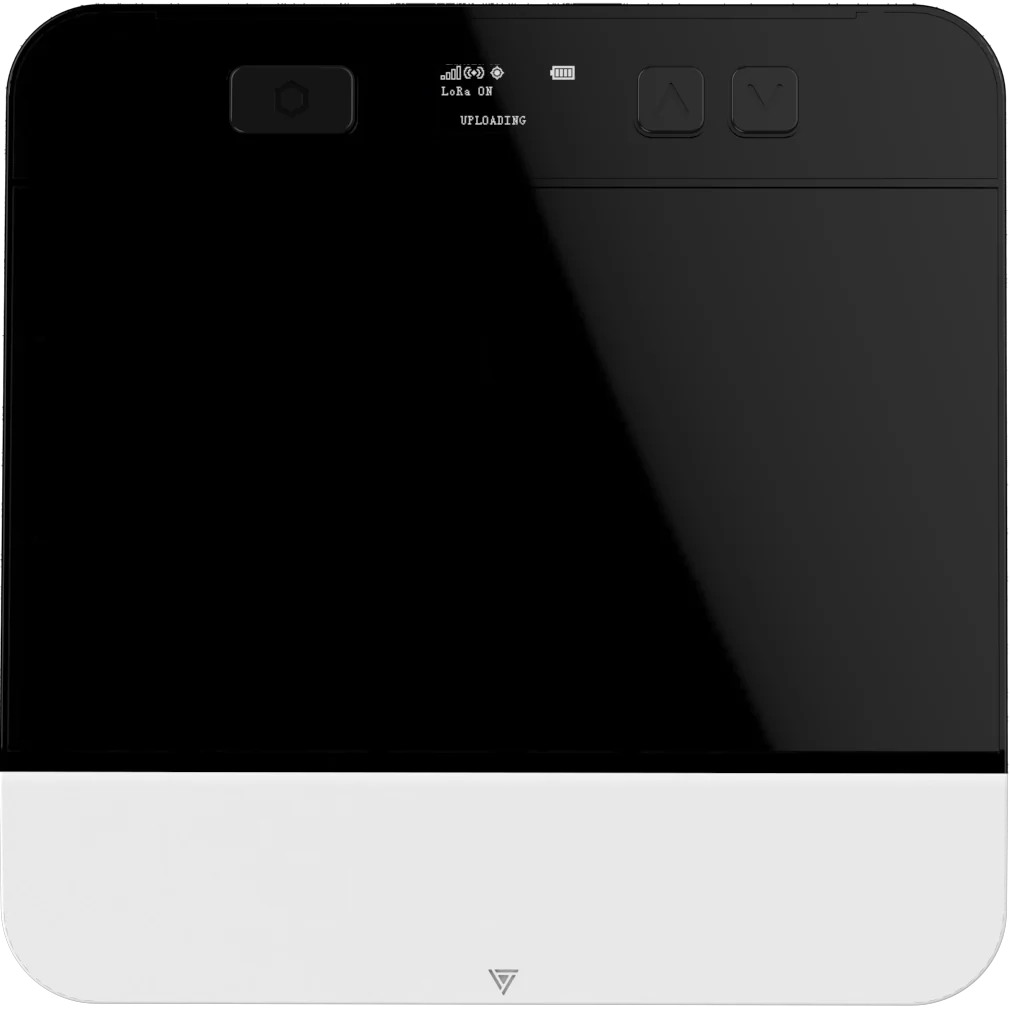
For a fixed store that also needs door, water or other compatible sensor inputs, a modular Pulse gateway can consolidate acquisition through its documented modules. Pycno's platform provides charts, rule-based alerts and spreadsheet export for compatible monitoring installations. This arrangement is most relevant to a permanent multi-instrument site; a transport logger can retain a simpler shipment-specific record. External probes and supported protocols must be specified for the supplied system.
Calibration records should identify the device and probe, reference method, test points and result. Checking at temperatures relevant to the intended storage range is more informative than relying only on a room-temperature comparison. Keep instrument clock settings and shipment identifiers consistent across sites and carriers.
Terminology and development
- Excursion
- A period during which a measured condition lies outside a specified limit.
- Pull-down time
- The time required to reduce a load toward its target temperature under the specified cooling conditions.
- Thermal buffer
- A material surrounding a probe that slows its response and makes it less sensitive to rapid air fluctuations.
- Traceability
- The documented relationship between a measurement and references through an established chain of comparisons.
Mechanical temperature recording preceded electronic loggers with digital memory. USB reporting reduced the equipment needed to retrieve shipment histories, while Bluetooth and connected services added contactless access and remote monitoring. These are changes in acquisition and communication; they do not remove the thermal gradients within a produce load.
Questions about produce monitoring
Can an air logger determine the temperature at the centre of a pallet?
Not directly. The pallet's thermal response depends on package ventilation, airflow, produce properties and loading. A suitable product probe or logger at a representative internal position is needed to measure that location.
Is a humidity logger suitable for a condensing cold room?
Only if the sensor and enclosure specifications permit that environment. A non-condensing humidity specification excludes sustained condensation, even when the stated humidity range appears to include high values.
What should accompany a shipment temperature report?
Device identity, logger position, shipment reference, time zone, sampling interval, configuration and calibration information make the series interpretable. Maximum and minimum values alone omit the timing and duration of events.