A useful livestock record joins the right animal to the right observation. Scales measure weight, electronic identification readers collect identity, and vision systems estimate features such as mobility or body condition. Those roles can work together, but they should stay distinct when choosing equipment and interpreting results.
How a livestock scale measures
A platform or crush transfers the animal’s load to load cells or load bars. The indicator converts that signal into a displayed weight, commonly in kilograms or pounds. Motion creates a changing signal, so livestock indicators use methods to settle or lock a usable reading. The indicator, supporting structure and load bars form one measurement chain.
Prepare the installation so the weighing structure moves freely as intended and does not rest against another rail, accumulated debris or the floor in a way that bypasses the load cells. Confirm zero with an empty platform and test the completed setup using suitable reference weights. A high-capacity load bar does not establish the accuracy of the assembled system.
Compare repeat observations under a consistent routine. Time since feeding and drinking can change liveweight, so a short-term difference is not automatically tissue growth. Preserve the date, animal identity, weight unit and weighing conditions alongside the value.
Five systems with different jobs
Three options below organise actual weighing records, one captures electronic identity, and one supplies camera-derived condition and mobility scores. Compare alternatives within the role you need; a reader or camera is not a substitute for a scale when the required result is kilograms.
Weigh scale indicator
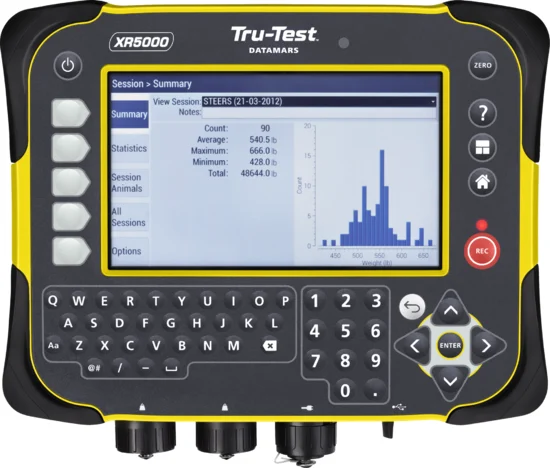
Tru-Test XR5000
A livestock weighing indicator supporting animal records, session analysis and drafting workflows.
The indicator is not the weighing platform; include compatible load bars and EID equipment.
View product details ↗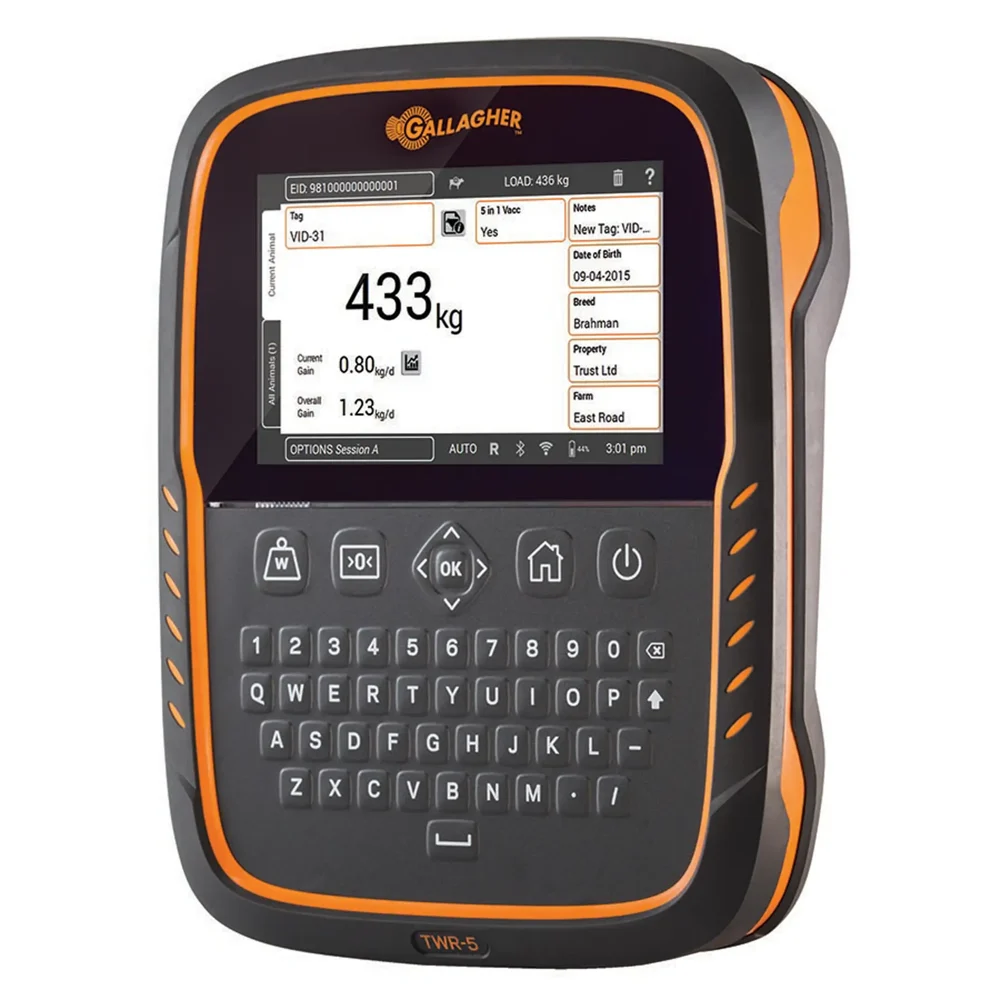
Weigh scale and integrated EID reader
Gallagher TWR-5
A touchscreen weighing and data-collection unit with an integrated electronic tag reader.
The reader electronics are built in, but the antenna and load bars are separate items.
View product details ↗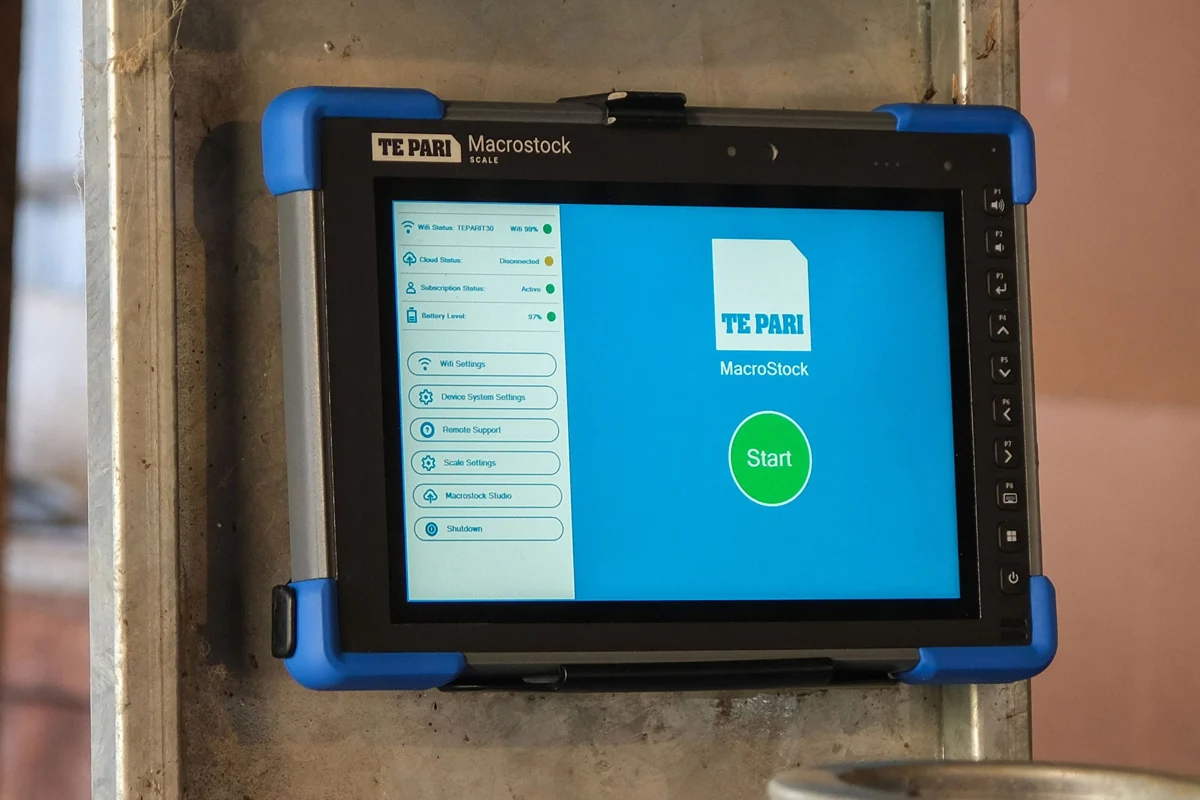
Scale hardware and data-collection system
Te Pari Macrostock Scale
A weighing and record-management system designed to connect animal handling with management decisions.
Studio is a separate subscription service; automatic drafting needs compatible powered gates.
View product details ↗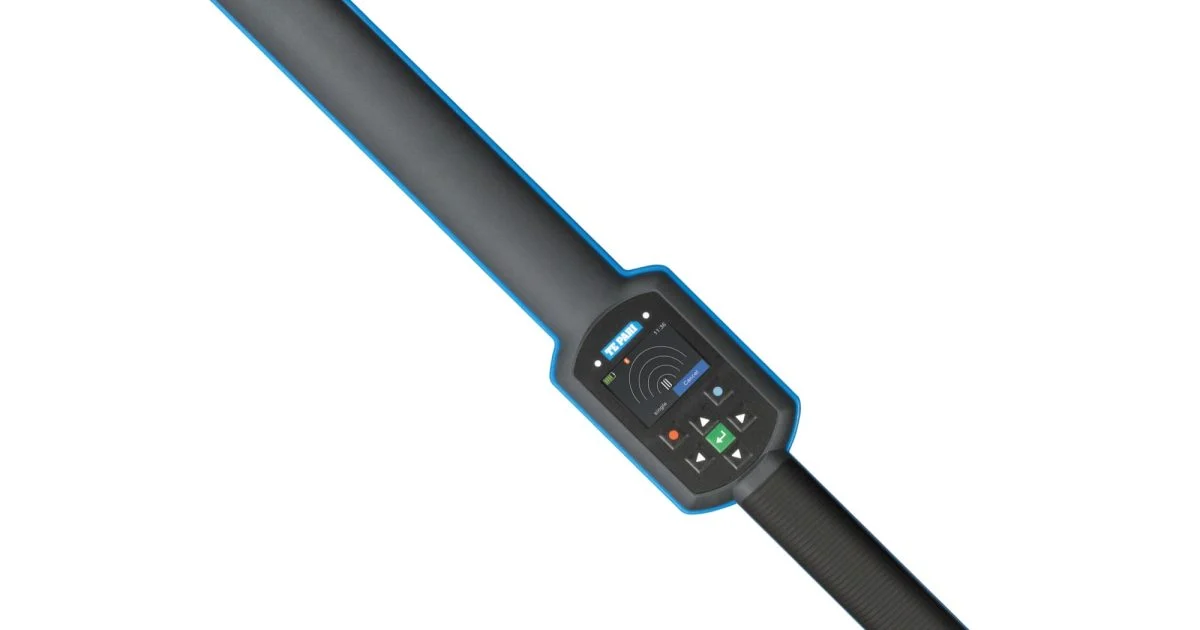
Portable electronic identification reader
Te Pari iStick 7
A portable livestock EID reader with continuous scanning, a display and read-confirmation alerts.
A reader does not weigh the animal; confirm transfer compatibility before connecting systems.
View product details ↗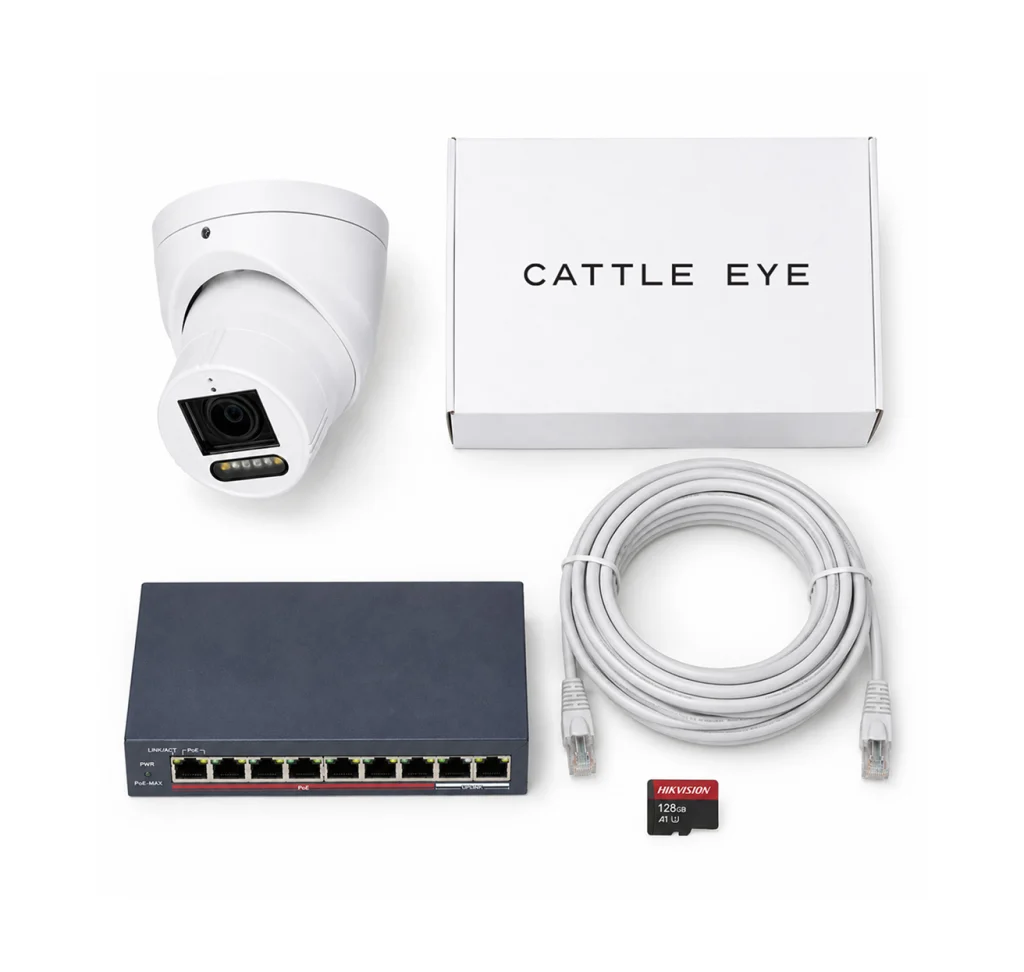
Camera and scoring service
CattleEye Complete Starter Kit
A camera-based monitoring package that records cattle leaving the parlour for automated scoring.
These are modelled scores rather than kilograms; camera placement and animal passage matter.
View product details ↗| Model | Measurement / role | Data connection | Coverage / installation |
|---|---|---|---|
| Tru-Test XR5000 | Weight from compatible load bars and animal records | Bluetooth and data-transfer options | Indicator plus load bars and platform or crush |
| Gallagher TWR-5 | Weight input plus electronic animal identity | Gallagher Animal Performance and device connections | Indicator, compatible load bars and external EID antenna |
| Te Pari Macrostock Scale | Weight and individual animal records | Macrostock Scale; Studio cloud service subscription | Compatible weighing and handling equipment |
| Te Pari iStick 7 | FDX and HDX EID tag identification | Reader workflow; confirm transfer to the chosen scale | Handheld scanning within suitable tag-reading range |
| CattleEye Complete Starter Kit | Video-derived mobility and body-condition scores | CattleEye software and herd-system integration | Camera above the milking-parlour exit; controlled animal passage |
Linking each measurement to an animal
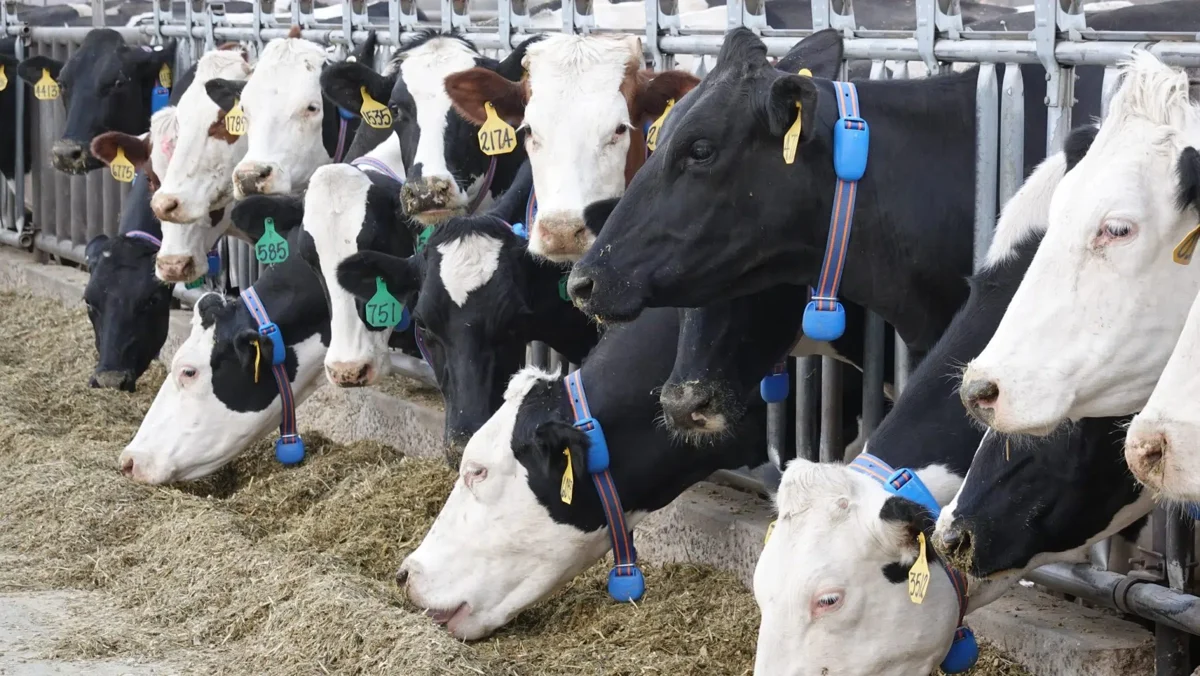
Electronic identification, or EID, uses a tag and a compatible radio-frequency reader. Many livestock identification tags are passive: the reader’s field supplies the energy needed for a response. Monitoring wearables with their own batteries serve a different role, even when they also carry an identification function.
A tag read needs to be paired with the correct weighing event. Arrange the antenna and animal passage so one animal is identified at a time, then verify a sample against the visible tag and the saved record. A record can be numerically accurate and still belong to the wrong animal.
Tru-Test’s XR5000 is a weighing indicator requiring compatible weighing hardware. Gallagher’s TWR-5 includes reader electronics, but needs an external antenna for panel reading. Te Pari’s iStick 7 is a portable reader, so its identity record needs a compatible path into the chosen weighing or management system. These distinctions determine which extra components belong in a quote.
What camera-derived scores add
A camera observes shape and movement under the installation’s viewing conditions. CattleEye positions a camera above the milking-parlour exit and supplies mobility and body-condition scores through its service. A body-condition score describes an assessed condition category or continuous estimate; it is not a load-cell weight measurement.
Check the required camera height, animal passage, lighting and identification method with the supplier. A score is useful only when it reliably refers to the intended animal and its observation conditions are maintained. Assess agreement with trained scoring and whether repeated observations create an actionable worklist. Avoid combining scores from different systems as though their scales were interchangeable.
Weight gain and condition can answer different questions. A weighing history helps track mass over time, while condition and movement records may identify an animal for closer observation. Bring the records together with behaviour monitoring when that improves an actual stockperson’s task.
A consistent recording workflow
- Check the platform, cables, power and empty-system zero before the session.
- Identify the animal and verify the reader-to-record association.
- Capture the stable weight or scoring event with the correct unit and session.
- Review unexpected results before using them for sorting or management.
- Export or synchronise the session and confirm that the animal history updated.
Use the same process for repeat sessions. An animal recorded at 420 kg and then 441 kg 30 days later has an average recorded gain of 21 ÷ 30 = 0.70 kg/day. That calculation assumes both readings use the same identity and a comparable weighing routine. It describes the interval between those records, rather than proving a constant gain every day.
Powered drafting adds another dependency. The indicator may select a group, but compatible gates, actuator controls and animal-flow arrangements complete the operation. Demonstrate the entire sequence with the installer and retain manual handling procedures for equipment faults.
From identification to connected records
Electronic identification enabled repeated measurements to follow an individual animal through management records. Modern indicators extend that link with session storage, analysis and data transfer. Gallagher’s touchscreen TW range launched in 2017; integrating reader electronics into the TWR models reduced the separate hardware needed for tag collection. Camera-based scoring adds another observation route while continuing to depend on consistent individual identification.
Weighing and identification terms
- Load cell
- A transducer that converts an applied load into an electrical signal used by the indicator.
- Tare
- A correction for a known container or structure weight so the desired net weight can be recorded.
- RFID
- Radio-frequency identification; EID is the livestock identification application.
- FDX / HDX
- Full-duplex and half-duplex electronic tag communication types that must be supported by the reader.
- Drafting
- Sorting animals into selected groups using an operator or compatible controlled gates.
Questions before ordering
Does an indicator include the weighing platform?
Usually the indicator is one part of the system. Confirm load bars, platform or crush, connectors, installation and calibration in the quote.
Will any reader transfer records to any scale?
Confirm protocol and software support for the exact pair. Demonstrate an identity read, saved weight and export before relying on compatibility.
Can a camera score replace liveweight?
Use a weighing system when the decision requires measured mass. A condition or mobility estimate can provide additional information but represents a different quantity.